

7 Surprising Health Benefits of Indoor Plants (Backed by Science)
In today’s fast-paced, always-on world, managing stress and nurturing wellbeing has never been more essential. Amid the chaos, there’s a simple, beautiful solution right within reach: indoor plants.
Yes, they’re aesthetically pleasing - but did you know they can also benefit your mental, physical, and emotional health? Here are 7 science-backed reasons to bring more green into your life.
1. Plants Reduce Stress
Interacting with plants has been shown to suppress the sympathetic nervous system - the one responsible for our fight-or-flight response. Research reveals it lowers blood pressure, calms the mind, and induces a soothing, grounded feeling. Simply being near greenery can help you breathe a little easier.
2. Real Plants Sharpen Focus
Forget plastic foliage - real plants make a real difference. In a small study with 23 participants, researchers compared focus levels across four environments: one with a live plant, an artificial plant, plant imagery, and no plant at all.
The result? Participants who had a living plant in the room were more attentive and focused than the other groups. Your desk deserves the real deal.
3. Caring for Plants Can Be Therapeutic
Plant care is more than a hobby - it can be a form of therapy. Horticultural therapy is gaining traction as a mental health support tool, helping people experiencing depression, anxiety, dementia, and more.
In fact, medical clinics in Manchester, England, are now prescribing potted plants to patients with anxiety and depression. Ancient wisdom meets modern medicine.
4. Green Views Help Patients Heal Faster
Recovery isn't just about rest - what you see while healing matters. Studies show that patients recovering from illness or surgery heal faster, use less pain medication, and experience improved wellbeing when exposed to natural green views.
Even a glimpse of a leafy tree through a window can help the body do its work more effectively.
5. Plants Boost Productivity
Want to get more done (and feel better doing it)? Plants might be your new productivity hack.
A 1996 study found students worked 12% faster with plants nearby.
A 2004 study participants made more creative word associations when a plant was in the room.
A 2007 study found employees with plants in their workspace were more productive and took fewer sick days.
So yes, that love palm in the corner really is helping you work smarter.
6. Plants Improve Outlook & Commitment
Workspaces that include natural elements (such as indoor plants) promote a greater sense of job satisfaction and commitment.
A study of 440 Amazon employees found those surrounded by greenery felt significantly more positive than those who weren’t. A simple shift in your environment can make a big shift in your mindset.
7. Plants Can Improve Air Quality
Introducing your new favourite word: phytoremediation - the process where plants absorb air pollutants through their stomata, break them down, or release them back as harmless compounds.
It’s a natural, sustainable way to clean the air you breathe. And yes, your plants are quietly doing that for you right now 💚
The Final Leaf
Whether it’s reducing stress, sharpening focus, or simply brightening your mood, the humble houseplant is doing so much more than you might realise.
Plant and love lots, dear reader. Wishing you the best on your growth journey.
Tarryn x
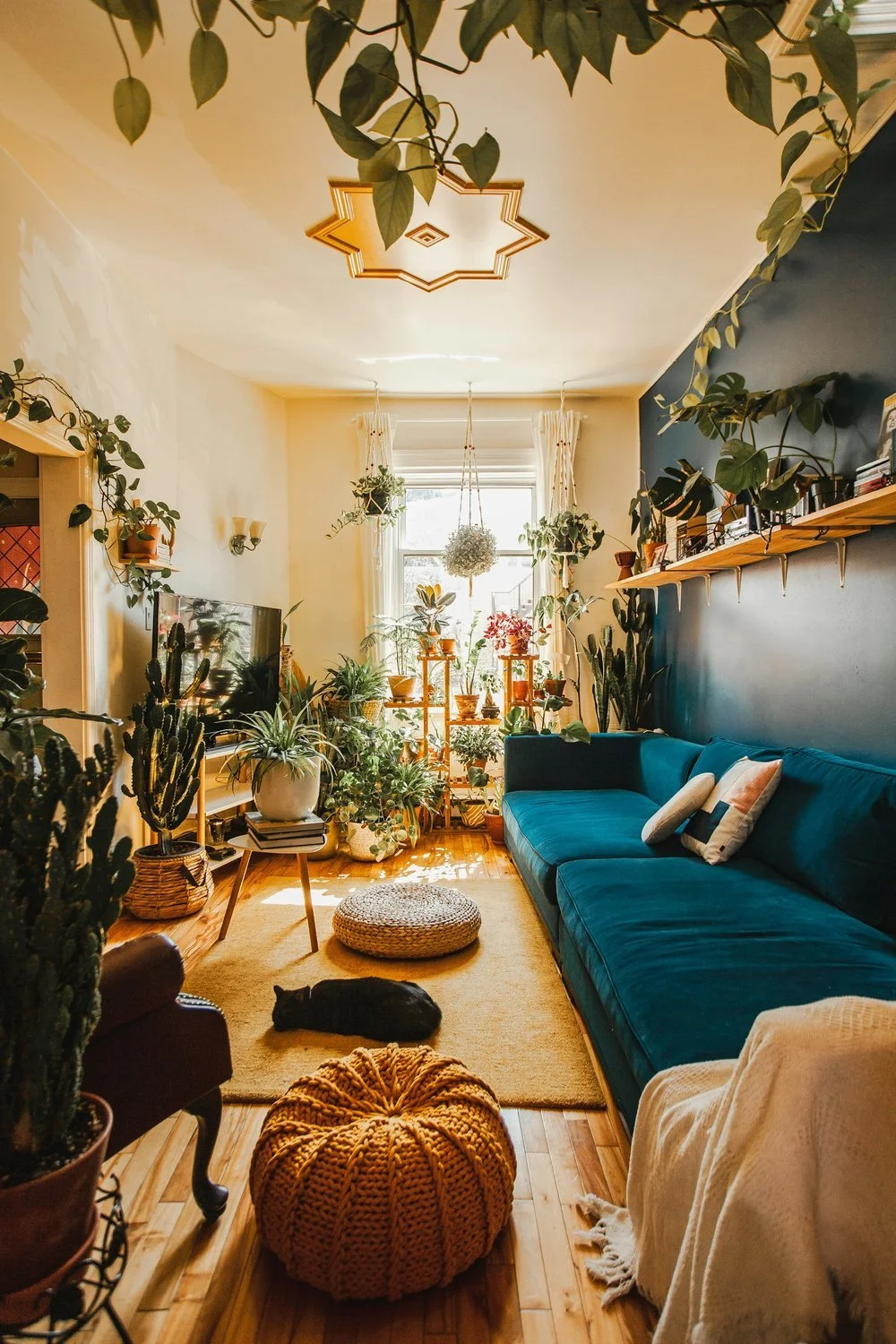
Creating Your Indoor Oasis: 5 Key Factors for Happy Houseplants
Indoor plants bring a refreshing touch to your home and help create a relaxed, calming atmosphere. To keep your indoor oasis thriving, there are five essential environmental factors to consider: light, water, nutrients, temperature, and humidity. Let’s break each one down with practical, tried-and-true tips.
LIGHT
Most indoor plants prefer bright, indirect light and can suffer under intense, direct sun. In New Zealand, south-facing windows are ideal - there’s usually plenty of natural light without the harshness of direct sun.
Too much direct sun can scorch leaves, but the damage is usually reversible with a quick move and a light prune of affected foliage.
Always check the plant label for light requirements - needs vary by species.
Got a dark corner?
If you want to place a plant far from a window, consider using grow lights on a timer. Here are a few of my NZ/AU-tested faves:
Sun Bulb by Gathera
Grow Bar by Love That Leaf
Halo Grow Light by Indoor Plant Supplies
(Be sure to follow product instructions before installation.)
WATER
Plants thrive on consistency. If you're just starting out, pick a weekly “watering day” and set a reminder to help build the habit.
Environmental influences matter - heat pumps, air vents, or air conditioners can dry out soil faster. I suggest moving your plant away from any “perpetual dry wind,” especially if you’re still finding your rhythm with plant care.
Soil moisture matters more than a calendar.
Overwatering is just as harmful as underwatering - and both can show similar symptoms like drooping or yellowing. The key is testing the moisture level every time before watering.
As a general rule: Let the top quarter to third of the soil dry out.
Insert your finger - if it comes out dry, go ahead and water. If it's still damp, hold off and check again in a few days.
While there are moisture meters on the market, I recommend building your intuition first. (I’ve spent way too much on tools I no longer use - learn from me!)
Drainage is crucial.
If your plant’s soil always feels wet, the pot might not be draining properly. Constantly wet roots = root rot, and that’s a slow, sad decline for your plant.
WATERING METHODS
Top Watering
Pour tepid water into the top of the soil until it drains from the bottom.
After 15 minutes, tip out any excess water from the catch tray - don’t let it sit in it.
Bottom Watering
Place your pot in a vessel filled with tepid water (sink or bucket).
Let it soak for 15–30 mins, then allow it to drain fully before returning it to its cover pot.
If you bottom-water regularly, flush the soil every few months to prevent mineral build-up, which can cause leaf tips to brown or plant growth to stall.
Winter Watering
As temperatures drop, your plant slows down. Water less often or reduce the amount - either way, adjust your routine accordingly.
Water the soil, not the leaves
Splashing water on leaves can lead to fungal spots, leaf burn (especially under grow lights), or disease. While some plants tolerate it, it’s best to avoid it altogether.
NUTRIENTS
Fertilising regularly with a balanced, water-soluble fertiliser supports healthy growth and happy roots. It also nourishes the soil microbes that help your plant thrive.
I don’t recommend slow-release fertilisers - they’re often too strong for houseplants and better suited for the garden.
Here are my go-to favourites:
Superthrive Foliage Pro
Foliage Focus
Both are gentle enough to use with every watering and your plants will love the boost!
TEMPERATURE
Most houseplants enjoy temperatures between 15–24°C. Avoid cold drafts and airflow from vents - these can dry soil out quickly and stress the plant.
HUMIDITY
Plants generally love humidity, but indoor environments (especially with heat pumps or fireplaces) are usually dry.
Should you mist? Personally, I don’t think it’s worth the effort unless you’re misting morning and night—daily.
Better options?
A humidifier nearby
A water-filled tray near your plants
To be honest, I don’t do either—and my plants are happy. (Auckland's summer humidity often hits 90%, so I cheat a little!)
OTHER ESSENTIAL TIPS
Soil & Repotting
When repotting, choose a well-draining potting mix that supports airflow and water drainage. Healthy roots = happy plant.
Grooming
Regularly prune spent leaves to encourage fresh growth.
Cleaning
Dust your plant leaves with a dry cloth. Dust blocks light, which can slow down photosynthesis and dull your plant’s appearance.
Pest Patrol
Check your plants often for pests like mealybugs, scale, spider mites, thrips, or aphids. Inspect under the leaves, around petioles (where leaf meets stem), and along stems. Look for:
Sticky residue
Silver streaks
White, cottony spots
Tiny black/brown/green bugs
Treat quickly to avoid an infestation taking hold.
I truly hope this guide helps you build confidence and connection with your indoor garden. May your plants thrive - and your joy in caring for them grow alongside.
Happy planting!
Tarryn x